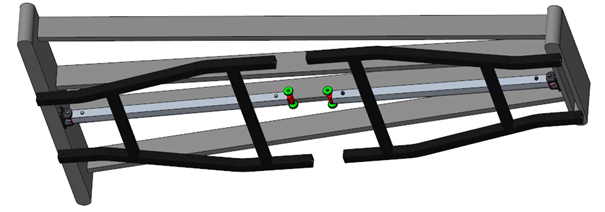
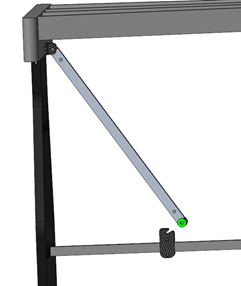
Stabilization for M55 vibraphones (Version A)
Obliczymy ostateczną cenę na podstawie wybranego pliku. Sprawdzisz ją i zaakceptujesz przed płatnością.
Zapisane na tym urządzeniu.
Frame stabilization for older M55 vibraphones (Version A)
- Ocena
- 0 / 5
- Polubienia
- 0
- Pobrania
- 16
- Wydruki
- 0
- Wyświetlenia
- 174
- Oceny
- 0
Aktualizacja u źródła:
Informacje o modelu
- Źródło
- Printables
- Kategoria
- Music
- Licencja
- Creative Commons — Attribution — Noncommercial
Update: 10.July.2024: Small geometry changes for easier printing and assembly
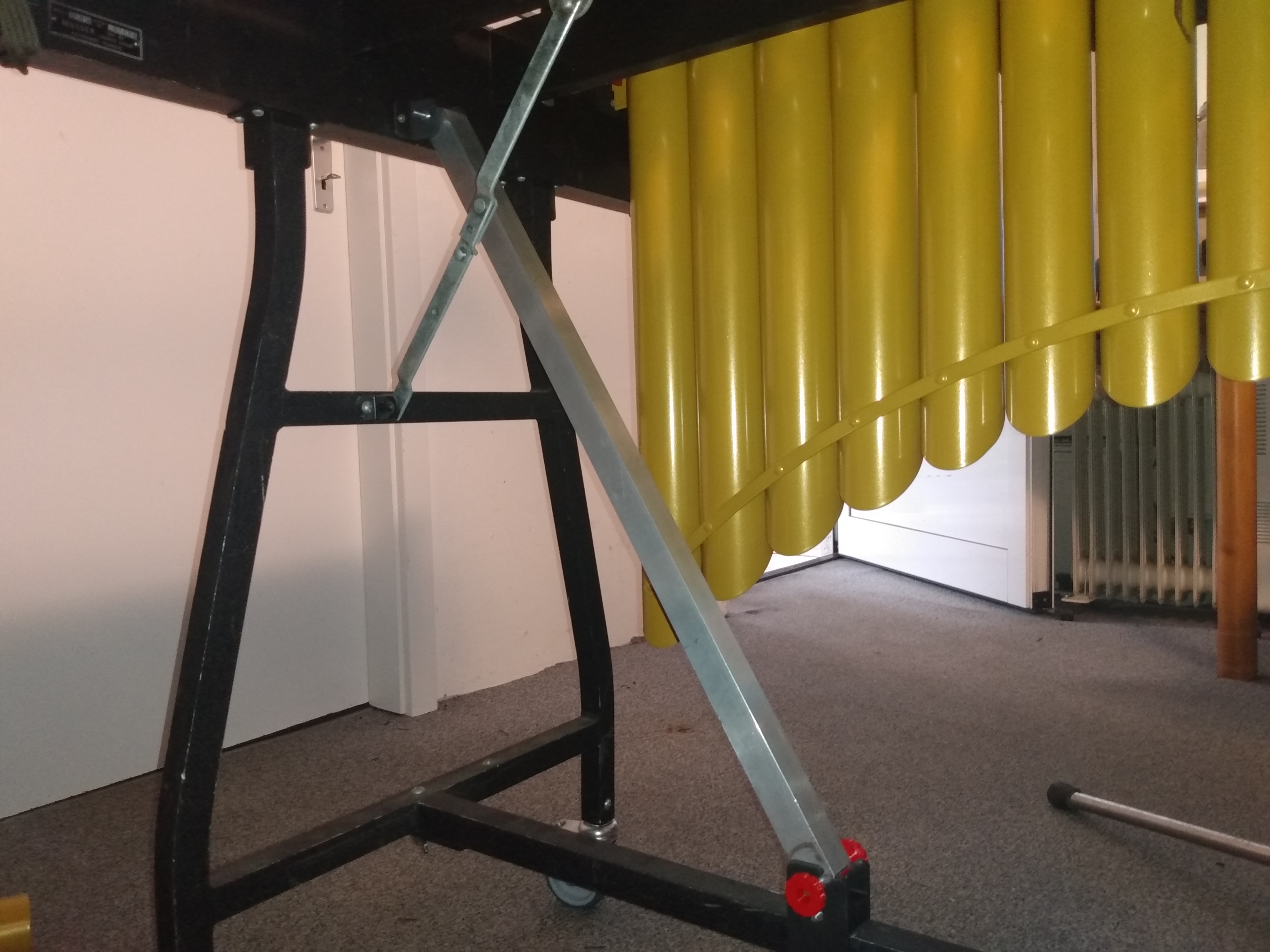
I have here two simple and inexpensive, but very effective and easy to realize solutions for frame stiffeners on old Musser M55 vibraphone frames. All you need are a few simple 3D printed parts, two pieces of aluminum square tubing and a few nuts and bolts.
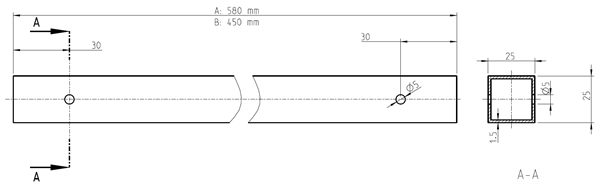
Drill a 5.0 mm diameter hole 30 mm from the cut edge at both ends of the 25 mm x 25 mm x 1.5 mm aluminum square profiles (commercially available DIY store goods).
Version A
Tube length square tube: 580 mm
For version A, the two clamp half shells are placed on the pedal bar and lightly screwed together (ISO 4014 M5x35 and nut ISO 4032-M5) so that the clamp can still be moved on the pedal bar. The two end pieces are then inserted into the tube and screwed together with ISO 4014-M5x45 screws and ISO 4032-M5 nuts. On one side, the pivot bearing is screwed on with a screw ISO 4014-M5x45 and a nut with clamping part ISO 10511 so that it can be easily rotated but is free of play. On the other side of the cross strut, a screw ISO 4014-M5x50 is inserted through the first handwheel, then through the free end piece and further through the second handwheel. Then screw on another ISO 4032-M5 nut.
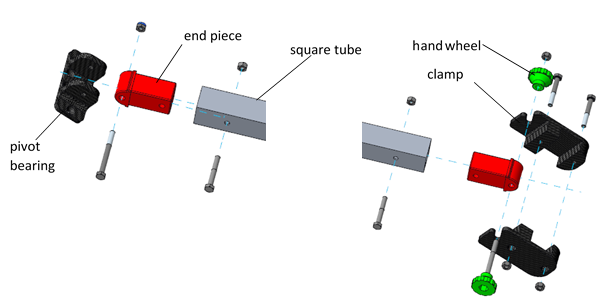
To mount the pre-assembled cross strut to the frame, the side with the two handwheels is inserted into the groove of the clamp and lightly fixed in place by tightening the handwheels. By moving the clamp on the pedal beam, the position is changed until the lower edge of the pivot bearing is flush with the lower edge of the wooden frame. The pivot bearing is now mounted in the frame using wood screws.