
Uma--Maheshvara (Ball-Gazing)
We calculate the final price from your selected file. You review and accept it before payment.
Estimated printing price per file
€21.66 – €26.48 net (excluding VAT)
For file: UmaMaheshvara_0.4n_0.15mm_PLA_COREONE_23h22m.bgcode
This is an estimate for one file. You’ll confirm the exact price before ordering.
File and estimate settings
File used for this estimate
Average indicative estimate: €24.07 excluding VAT (range midpoint).
- Weight reported by the author
- 316 g
- Print time reported by the author
- 23.36 hr
- Source material
- PLA
- Estimate material
- PLA
- Estimate printer
- Bambu Lab P1S - 0.4 nozzle
- Estimate process
- 0.20mm Standard
Indicative estimate for the selected file only, based on the author’s weight and print time. File variants are not added together. The final price is calculated after file analysis.
Saved on this device.
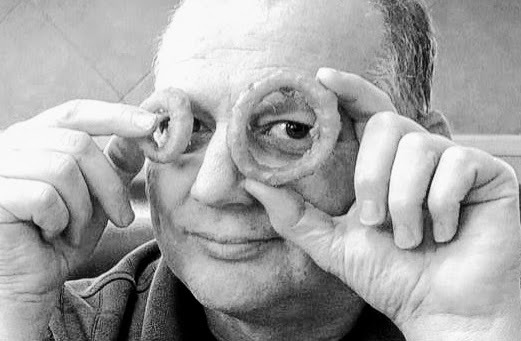
Uma--Maheshvara (Ball-Gazing)
- Rating
- 0 / 5
- Likes
- 24
- Downloads
- 160
- Makes
- 0
- Views
- 748
- Reviews
- 0
Updated at source:
Model information
- Source
- Printables
- Category
- Historical Context
- License
- Creative Commons — Attribution — Noncommercial
Uma--Maheshvara (Ball-Gazing)
The Iconography of Play: Decoding the “Circle Mudra” in Divine Lila
The vast sculptural tradition of Hinduism is governed by mudra, the precise language of hand gestures that conveys divine attributes and narratives. In the popular Uma-Maheshvara form, which depicts the deities Shiva and Parvati in domestic repose (sukhasana), canonical texts typically prescribe gestures of blessing (varada) or reassurance (abhaya). However, the presence of a highly unusual, non-canonical gesture in Maheshvara's lower hand—a thumb-and-forefinger circle held deliberately below the waist, mirroring the gesture known today as the "Circle Game" or "Ball-gazer"—demands a fresh iconographical reading. This essay argues that this unique "Circle Mudra" was an original, intentional element, carefully placed to convey a profound, yet playful, theological message within the concept of divine play, or lila.
This unprecedented gesture fundamentally reframes the relationship between the deity and the devotee. Shiva's nature is one of powerful paradox: he is the cosmic destroyer, but also the devoted husband; the fierce ascetic, but also the playful dancer. The Circle Mudra perfectly captures this irreverence. The lila, or divine play, of Shiva is characterized by unexpected, chaotic, and often humanizing actions. By adopting a posture predicated on trickery and a clear, immediate consequence for failure, akin to the dynamic of the modern "Ball-gazer" game, Maheshvara is actively initiating a spiritual challenge, transforming the sacred space into a game of divine wits.
The key to this interpretation lies in the gesture's placement. The Circle Mudra is conspicuously displayed below the visual horizon, requiring the viewer's gaze to drop from the divine faces to the unexpected lure of the hand. In traditional darsana (the act of receiving divine sight), the devotee is meant to focus on the deity’s face and primary gestures. The Ball-gazer gesture, by contrast, acts as a test of awareness. It suggests that true spiritual engagement is not just solemn focus, but vigilance against distraction. Should the viewer's eye fall to the alluring—and slightly inappropriate—challenge of the circle, they are "caught" in the mundane illusion (maya) and are symbolically subject to the deity's playful punishment.
The theological implication is that divine truth is multifaceted and sometimes hides in plain sight. Far from being an iconographical error, this "Circle Mudra" represents a rare, localized tradition of Shiva lila. It serves as an active challenge to the viewer, proving that the deepest truths in worship often require more than solemnity—they demand constant, playful awareness and a willingness to engage in the divine paradox. The profound weight of cosmic balance is thus grounded, quite literally, by the threat of a playful punch, confirming that the ultimate reality (Brahman) can be found in the most unexpected forms of interaction.