
Ancient Sundial - pocket version
Obliczymy ostateczną cenę na podstawie wybranego pliku. Sprawdzisz ją i zaakceptujesz przed płatnością.
Zapisane na tym urządzeniu.
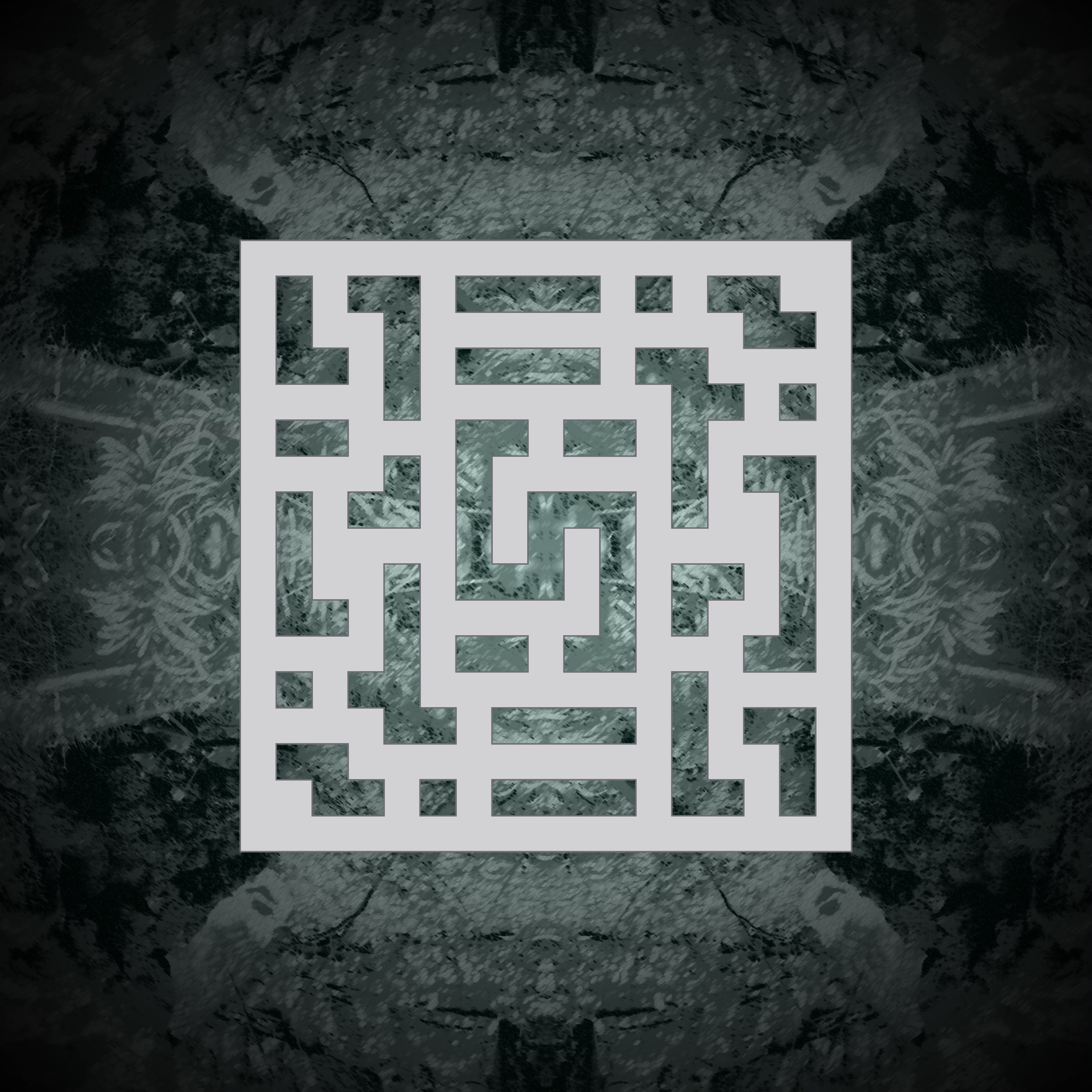
How was time check in the old times? With this pocket device! Try it!
- Ocena
- 0 / 5
- Polubienia
- 15
- Pobrania
- 68
- Wydruki
- 0
- Wyświetlenia
- 594
- Oceny
- 0
Aktualizacja u źródła:
Informacje o modelu
- Źródło
- Printables
- Kategoria
- Physics & Astronomy
- Licencja
- Creative Commons — Attribution — Noncommercial — NoDerivatives
Portable Sundial based on Canterbury Cathedral Treasure
The portable sundial discovered in Canterbury Cathedral’s Great Cloister in 1938 is a rare and intricate artifact from the Anglo-Saxon world, likely crafted in the 10th century. Measuring just over 6 cm, the sundial is made of a silver tablet with a gold cap, chain, and pin. Its decoration includes interlaced patterns and beast-head designs, some still adorned with tiny gem eyes. The tablet bears Latin inscriptions of month names in pairs and a blessing around its edges: "Health to the maker, peace to the owner."
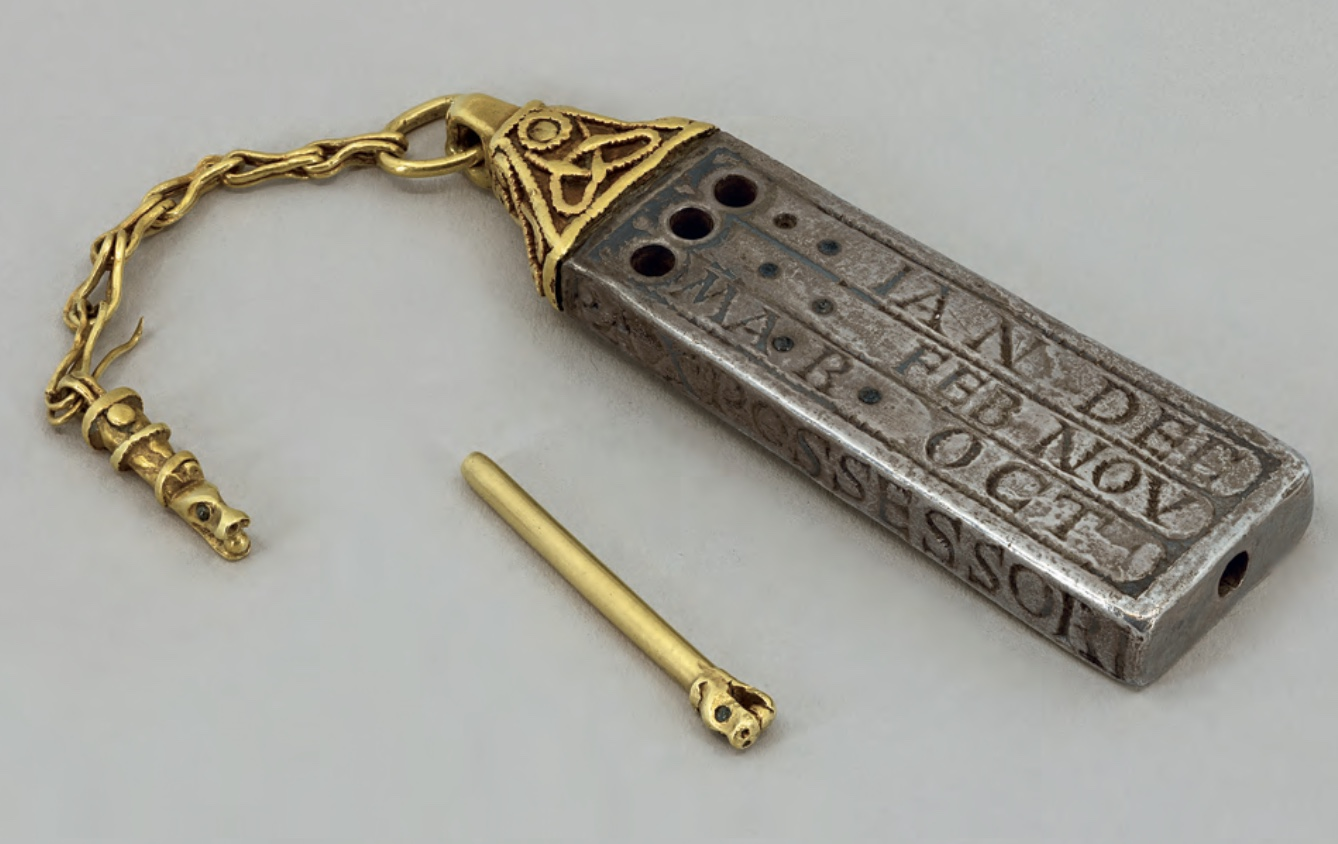
The sundial functioned by suspending it from its chain and inserting the gold pin, or "gnomon," into a hole corresponding to the current month. Facing the sun, the shadow cast by the pin indicated approximate times for prayer—likely tierce, sext, and nones—used in the Benedictine divine office. While the maker and original owner remain unknown, the artifact is traditionally associated with St. Dunstan (d. 988), an Archbishop of Canterbury renowned for his contributions to monastic reforms, his skills in craftsmanship, and his status as the patron saint of goldsmiths and silversmiths.

This unique sundial exemplifies both the ingenuity and artistry of Anglo-Saxon metalwork, blending functional design with religious and aesthetic significance. Its discovery offers a glimpse into the daily rituals and sophisticated craftsmanship of its era.
Model and Printing
This model works best for geographical latitude 50N everyE (maybe 45-55N). I recommend PETG, but PLA is also usable. The gnomon should be printed with supports, body not. Add some chain or rope between gnomon and the body, so you cant loose them from each other.
For more accurate 50N is table of altitude of Sun here (version 2):

Others geographical latitudes are unusable, cos angles are to low (5°) or high (85°-90°). With low angle will shadow be minimal and with high on the ground even with short gnomon. That is interesting. These clocks work well only in some part of the world (red).

For 50N is table of angles of Sun here:

For 60N is table of angles of Sun here:

For 40N is table of angles of Sun here:

For 30N is table of angles of Sun here:
