
Filament Shelf Bracket
Obliczymy ostateczną cenę na podstawie wybranego pliku. Sprawdzisz ją i zaakceptujesz przed płatnością.
Zapisane na tym urządzeniu.
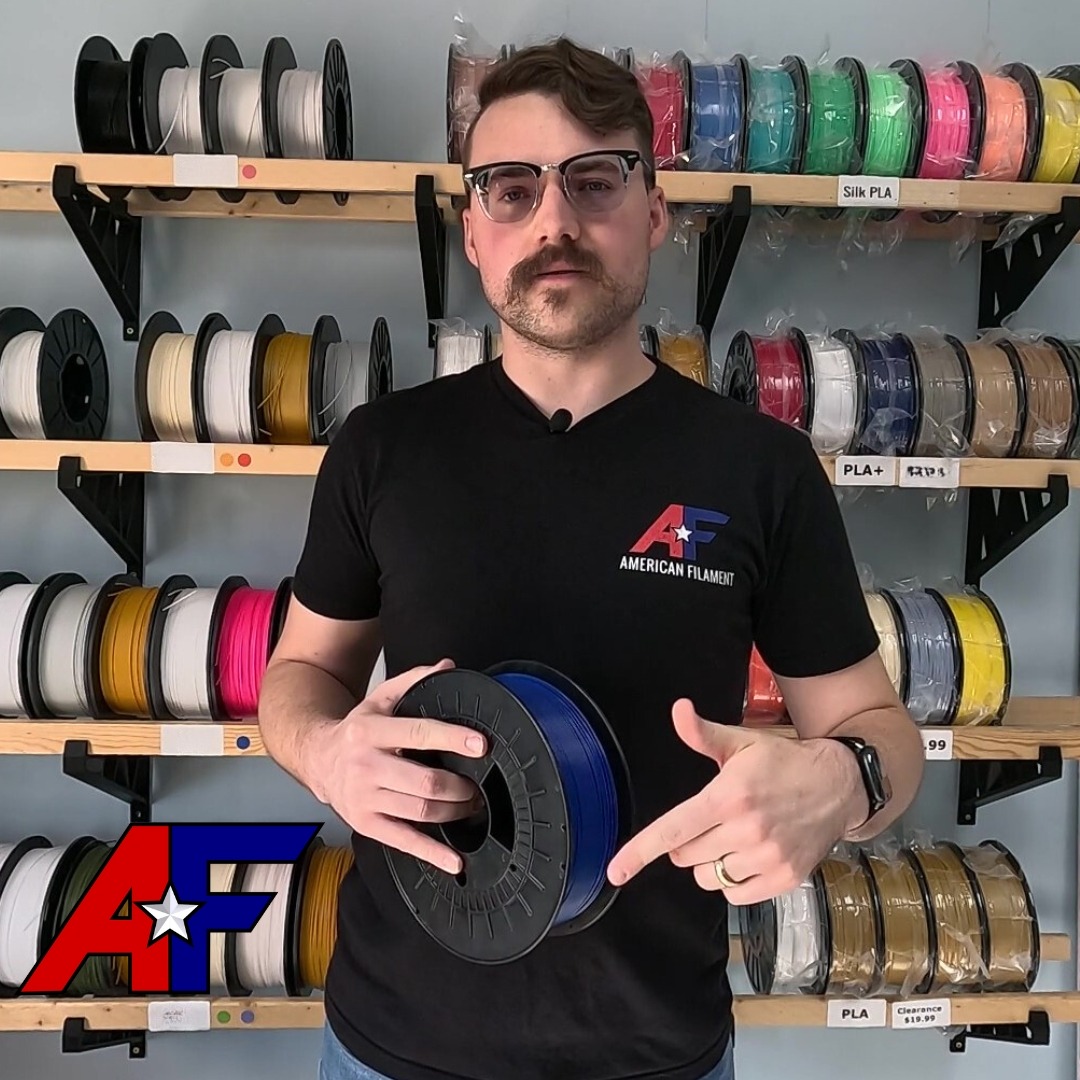
Filament Shelf Brackets designed for use with standard 1"x2" common board and #8 construction screws.
- Ocena
- 5 / 5
- Polubienia
- 80
- Pobrania
- 278
- Wydruki
- 1
- Wyświetlenia
- 1393
- Oceny
- 1
Aktualizacja u źródła:
Informacje o modelu
- Źródło
- Printables
- Kategoria
- Organizers
- Licencja
- Creative Commons — Attribution — Noncommercial — NoDerivatives
This Filament Shelf Bracket was specifically designed for use with standard 1"x2" common board and #8 construction screws. The holes for the screws have been chamfered to help sink the head of the screw into the part for a more flush finish. The design of the bracket has been optimized for use with standard US 2x4 inch studs placed 16 inches apart on center. One bracket every other stud should be adequate for holding 1kg rolls of filament.
There are two versions available, the only difference being the size of the slots that hold the 1x2 boards. Depending on what size/type of 1x2 you get at your local hardware store or lumber yard will determine which size you need.
An added bonus of using square 1x2 boards instead of round dowel rods or PVC pipe is that these shelves can hold filament in boxes equally as well as bare spools.
I have been using this bracket design for several years, and had an early version of the design fail only once. After that I doubled the thickness of most sections of the bracket, and significantly reinforced the portions that hold the 1x2 boards. Since then I've never had a bracket fail. I have had an 8 foot long shelf that uses 5 of these brackets to hold up to 26 1kg spools (that would be 78lbs including the total weight of the spools themselves) for about 2 years now with no signs of fatigue.
I like this bracket design over others (other than the fact that I am biased because I made it) because it is simple, effective, and doesn't require any supports or other frills when being printed. It prints quickly, can be printed with 5-7 perimeters without having to worry about having high infill, uses a reasonable amount of filament, and it has stood the test of time.
I would recommend printing these from PETG, however, I have made them using standard PLA with no issues. The brackets pictured use American Filament Matte Black PLA+.