
Two-Balloon Experiment Adapters (for 3-Way Stopcock)
Obliczymy ostateczną cenę na podstawie wybranego pliku. Sprawdzisz ją i zaakceptujesz przed płatnością.
Zapisane na tym urządzeniu.
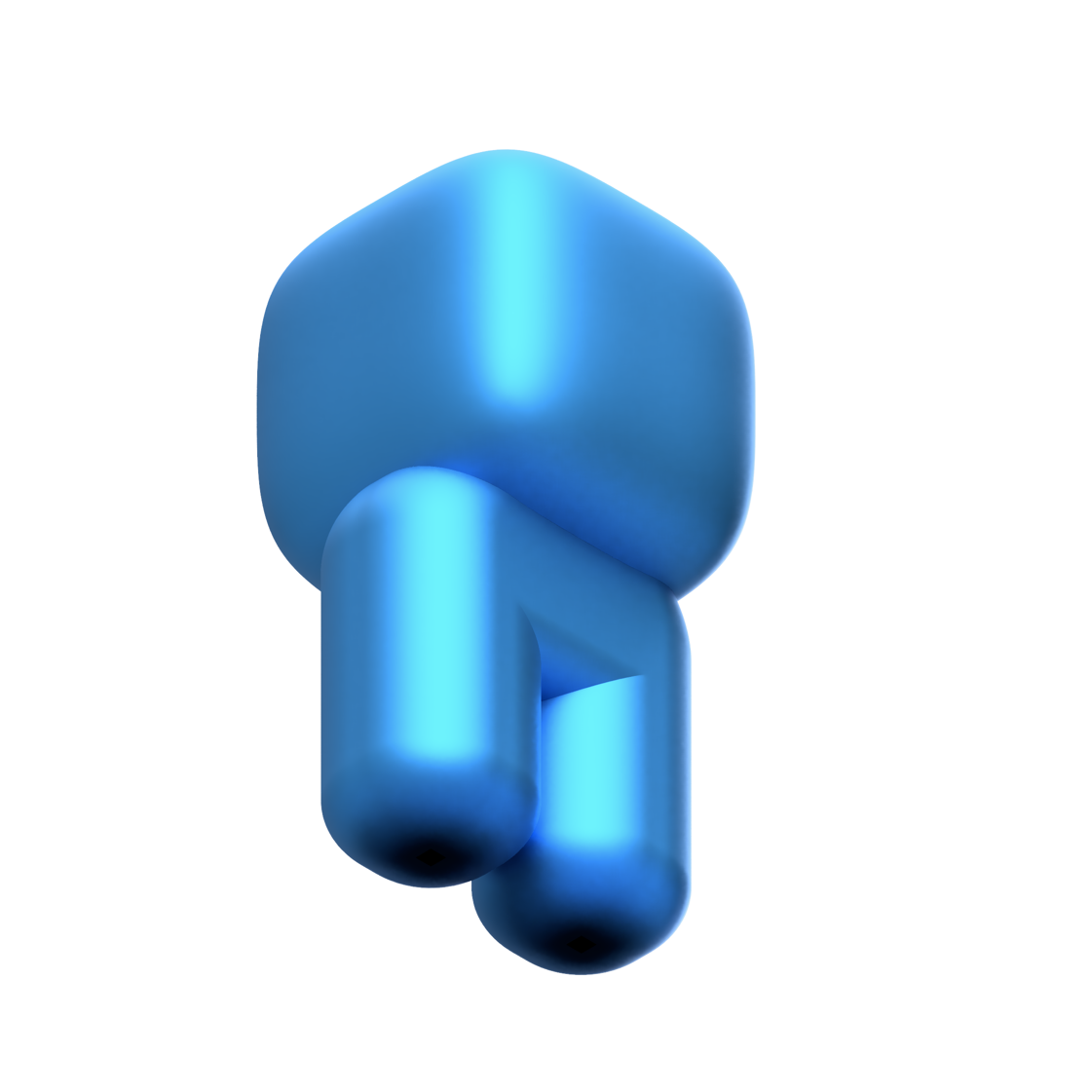
Build the 'Two-Balloon' physics demo! These adapters fit a standard 3-way stopcock.
- Ocena
- 0 / 5
- Polubienia
- 10
- Pobrania
- 23
- Wydruki
- 0
- Wyświetlenia
- 324
- Oceny
- 0
Aktualizacja u źródła:
Informacje o modelu
- Źródło
- Printables
- Kategoria
- Physics & Astronomy
- Licencja
- Creative Commons — Attribution — Noncommercial — Share Alike
This is a simple set of adapters to build the classic "Two-Balloon Experiment" apparatus, as seen in popular science videos (like Vsauce's short).
It's a fantastic and counter-intuitive demonstration perfect for a classroom, science fair, or just a curious mind.
The Physics:
When you connect two balloons of different sizes, what happens? Most people assume the air will equalize, or the big balloon will inflate the small one.
Instead, the smaller balloon inflates the larger one!
This experiment demonstrates the Young-Laplace equation. The pressure inside an elastic sphere (like a balloon) depends on the surface tension and the radius. A smaller balloon has a tighter, less-stretched rubber, which exerts more pressure on the air inside. Therefore, air flows from the high-pressure (small) balloon to the low-pressure (large) balloon.
Required Parts (Bill of Materials):
• 2x This printed Balloon Adapter
• 1x Standard medical 3-way stopcock (This design is intended for common Luer lock connectors)
• 2x Standard party balloons
Assembly:
1. Print two adapters.
2. Fit the neck of a balloon over the wide, barbed end of each adapter.
3. Connect the Luer lock ends of the adapters to the 3-way stopcock.
4. Use the stopcock to inflate one balloon to a small size and the other to a large size.
5. Turn the valve to connect the two balloons and watch the magic of physics!